
NEWS
Understanding the cost factors behind bulk anionic polyacrylamide pricing in Asia-Pacific markets is critical for procurement teams, technical evaluators, and water treatment professionals. As a leading polyacrylamide manufacturer in China, Dongying Sweiche Environmental Protection Co., Ltd. — a trusted PAM supplier and flocculant manufacturer — produces 20,000 tons annually, including high-performance anionic polyacrylamide, cationic polyacrylamide, and nonionic polyacrylamide. This analysis explores raw material volatility, logistics, regulatory shifts, and regional demand dynamics impacting industrial polyacrylamide pricing — empowering buyers, distributors, and quality/safety managers to make data-driven decisions on water treatment chemicals and industrial polyacrylamide sourcing.
What Drives Bulk Anionic Polyacrylamide Pricing in APAC?
Bulk anionic polyacrylamide (APAM) pricing across Asia-Pacific reflects interlocking variables—not just production cost. Key drivers include acrylamide monomer price fluctuations (±15% quarterly), energy-intensive polymerization (requiring 2–4 weeks of controlled thermal curing), and regional import duties ranging from 3% in Vietnam to 8.5% in India.
Logistics add 12–18% to landed cost for sea freight from East China ports to Southeast Asia, while inland transport in Indonesia or Philippines may extend delivery by 5–10 days due to port congestion and customs clearance timelines. Regulatory tightening—such as China’s 2023 “Green Chemicals Action Plan”—has increased compliance overhead by ~7% per batch for certified APAM grades.
Demand seasonality also matters: wastewater treatment plants in Thailand and Malaysia ramp up APAM orders by 20–30% during monsoon season (May–October), compressing supplier lead times to 7–15 days and triggering spot-price premiums.
How Raw Material Sourcing Impacts Cost Stability
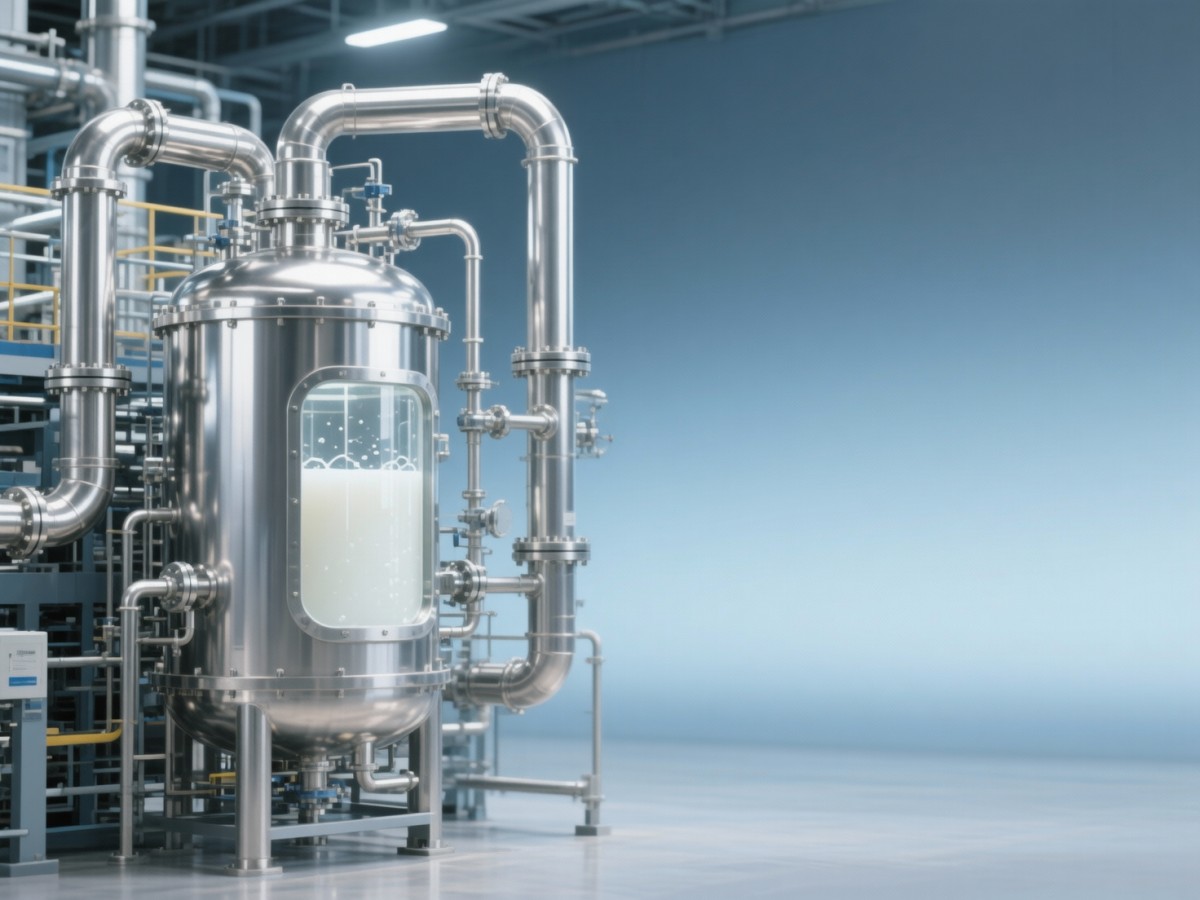
Acrylamide purity (≥99.5%) and residual monomer content (<0.05%) directly affect APAM molecular weight consistency and flocculation efficiency. Dongying Sweiche secures acrylamide from ISO 9001-certified suppliers in Shandong and Jiangsu, enabling batch-to-batch viscosity control within ±3%—reducing downstream dosage variability for end users.
In contrast, imported acrylamide incurs 10–12% higher landed cost and longer lead times (4–6 weeks), increasing price sensitivity to exchange rate swings (e.g., USD/CNY ±0.5% impacts final APAM quote by ~2%). Our domestic vertical integration cuts raw material procurement cycle to 3–5 working days.
APAM Cost Drivers Compared
This table highlights why standardized APAM grades with full traceability command premium pricing—but also reduce operational risk for municipal and industrial clients facing strict discharge compliance windows (e.g., ≤15 mg/L suspended solids).
Procurement Decision Framework for APAC Buyers
When evaluating bulk APAM suppliers, prioritize three criteria: (1) consistent molecular weight distribution (target: 8–12 million Da), (2) guaranteed residual acrylamide <0.025%, and (3) documented batch stability over 12 months at 25°C storage.
- Verify if the supplier operates ≥2 production lines with independent QA labs—Dongying Sweiche maintains 6 dedicated APAM lines and 2 ISO/IEC 17025-accredited test centers.
- Confirm minimum order quantity flexibility: we support trial batches from 500 kg (for pilot testing) up to 20-ton FCL shipments with 7-day dispatch guarantee.
- Request full documentation package: COA, SDS, heavy metal test reports (Pb, Hg, Cd <1 ppm), and third-party flocculation performance curves.
For distributors and agents: our tiered partnership program includes technical training, co-branded marketing kits, and inventory financing options for qualified APAC-based partners.
Why Partner with Dongying Sweiche for APAM Supply?
As a professional polyacrylamide manufacturer producing 20,000 tons/year—including 6 specialized anionic grades—we offer precise formulation control, rapid customization (≤10 working days for new MW/charge density specs), and full supply chain transparency from monomer sourcing to final packaging.
We support APAC procurement teams with free technical consultation, sample dispatch within 48 hours, and real-time logistics tracking. Contact us today to discuss your specific APAM requirements—including dosage optimization studies, regulatory documentation alignment, or multi-country delivery coordination.